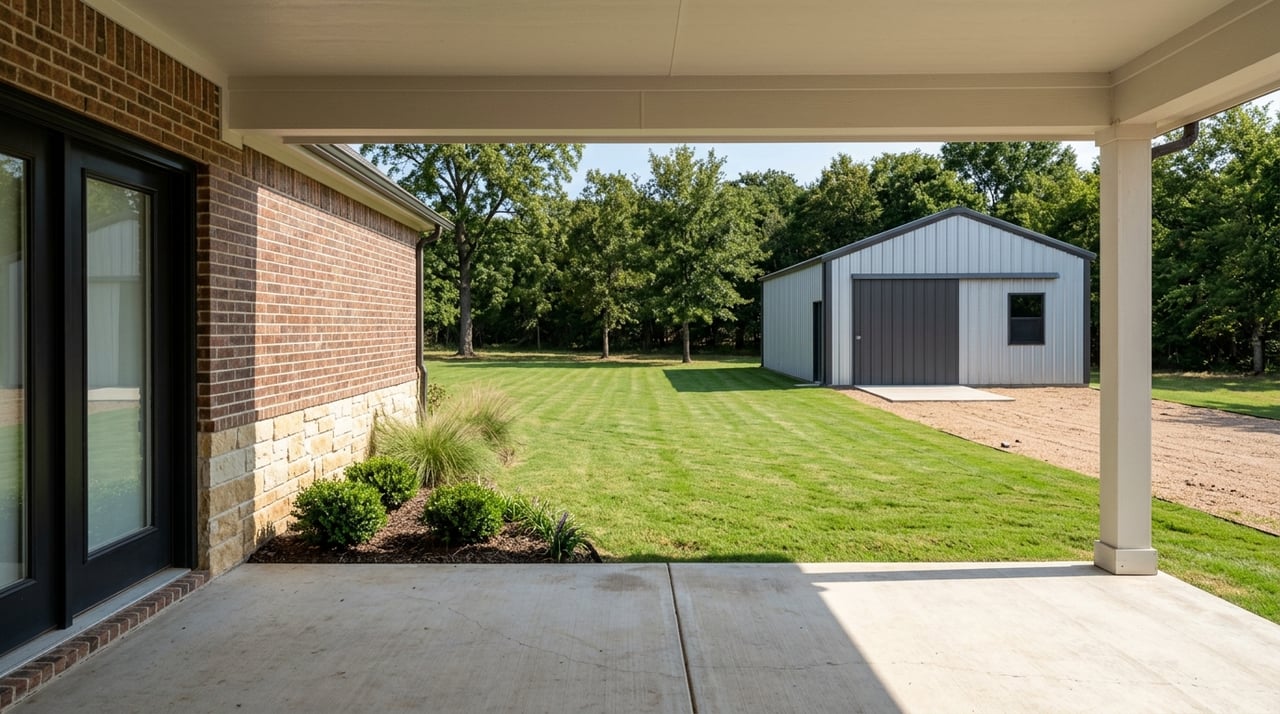
Wondering whether your best move in Aubrey is a starter home in a newer neighborhood or a small-acreage property with more elbow room? You are not alone. In this part of Denton County, both options can make sense, but they serve very different day-to-day lifestyles. If you are trying to choose wisely, this guide will help you compare convenience, upkeep, taxes, schools, and long-term fit so you can move forward with more clarity. Let’s dive in.
Why This Choice Is So Common in Aubrey
Aubrey sits in northeast Denton County along the Highway 377 and 380 corridor, and the city has described the area as one of the fastest-growing parts of the county. Its long-range planning also points to continued development near US 380 while trying to preserve the area’s rural character. That combination helps explain why you can still find both newer subdivision homes and more rural small-acreage properties in the same broader market.
For buyers, this is not just a price question. It is really a lifestyle decision about how much land, responsibility, flexibility, and commuting time you want to take on. A home that looks attractive online may fit very differently once you think about your daily routine.
Starter Homes in Aubrey Neighborhoods
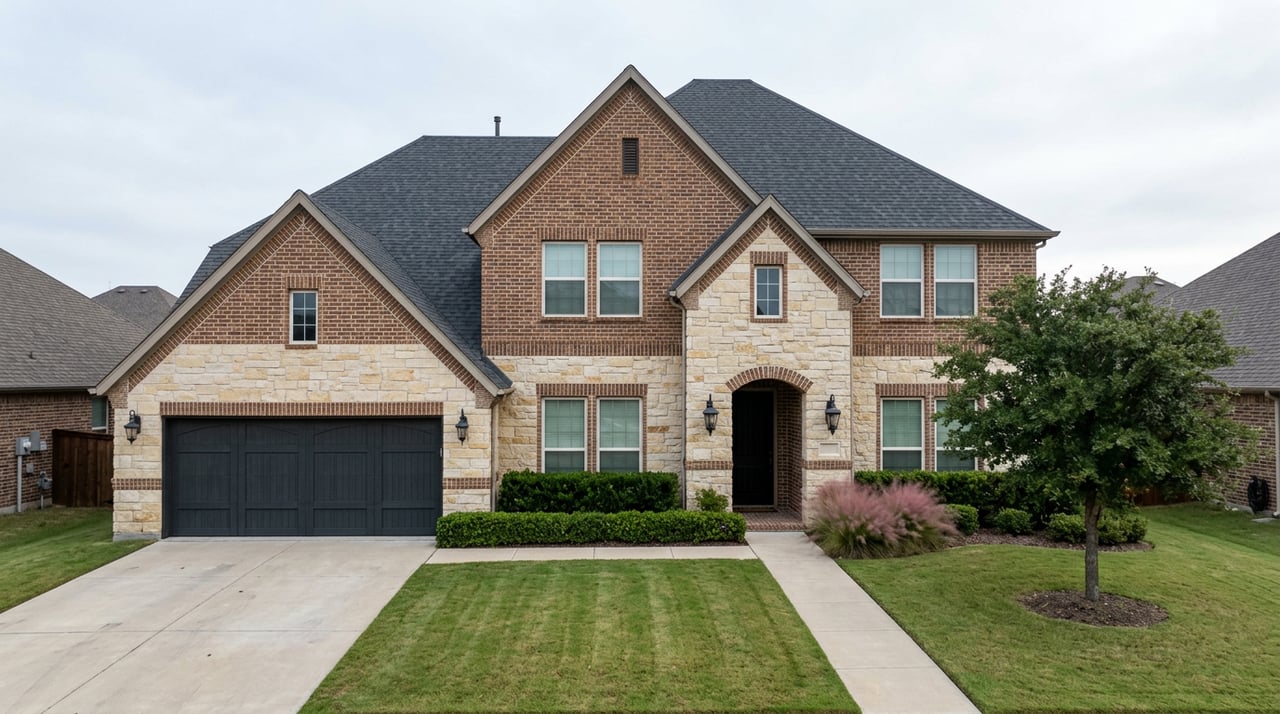
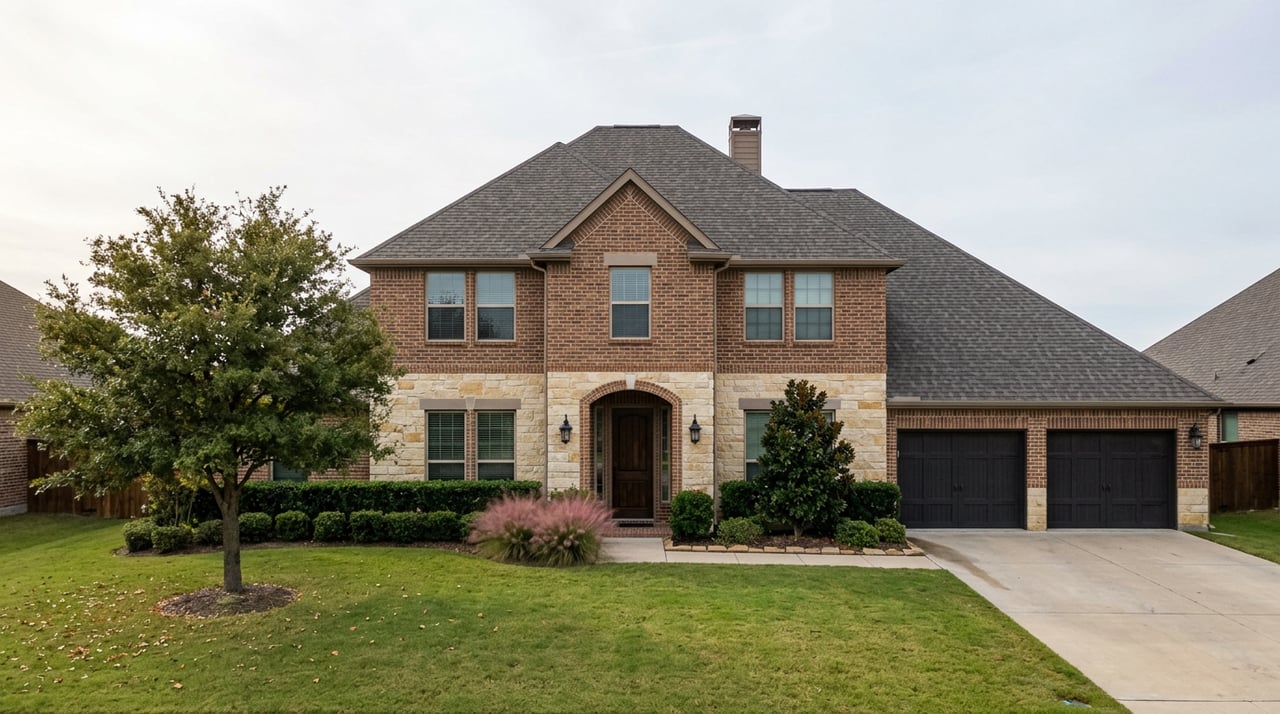
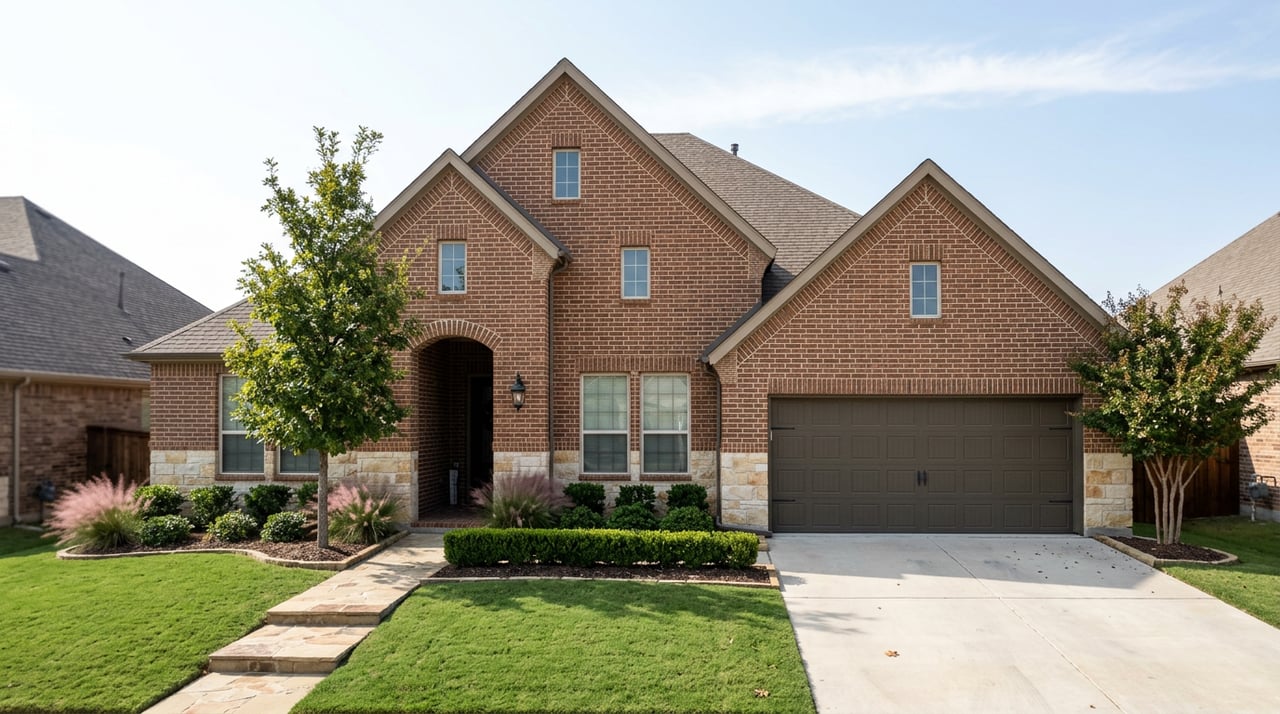
If you want a more predictable, lower-maintenance setup, a subdivision home may feel like the easier path. In the Aubrey area, communities such as Paloma Creek and Savannah are examples of neighborhoods built around convenience, shared amenities, and organized infrastructure.
Paloma Creek is a master-planned community on nearly 1,500 wooded acres near US 380 and the Dallas North Tollway. Community materials highlight amenities such as four pools, two 24-hour fitness centers, trails, a dog park, and onsite management. Savannah also offers an amenity-rich setup with a clubhouse, water park, pools, parks, trails, and sports courts, along with mandatory HOA membership and district-level infrastructure.
What starter-home buyers often like
For many first-time and early move-up buyers, the appeal is simple. You get a home with neighborhood amenities and a more packaged lifestyle, and some upkeep for common areas and shared features is handled through the HOA or district systems.
That can make everyday ownership feel more manageable if you have a busy work schedule, a long commute, or limited time for outdoor maintenance. It can also make it easier to estimate what ownership will look like month to month compared with a property that has land, fencing, and other outdoor systems to manage yourself.
What you give up in return
That convenience comes with tradeoffs. In these communities, you typically agree to HOA rules, shared amenity policies, and in some cases additional district-related taxes beyond regular local property taxes.
Savannah, for example, states that resident tax bills reflect Denton County, Denton ISD, and Elm Ridge WCID. That does not automatically make the area more or less affordable for you, but it does mean you should review the full cost structure carefully instead of focusing only on the purchase price.
Small Acreage in Aubrey
If your vision of home includes open space, room for animals, or a more rural pace, small acreage may be the better fit. But it helps to go in with realistic expectations. Small-acreage living is not just subdivision living with a bigger yard.
Aubrey’s identity as “Horse Country USA” makes this option especially appealing to buyers who want more freedom and flexibility. Still, owning land usually means taking on more active management, more outdoor maintenance, and more property-specific decision-making.
What buyers often love about acreage
The biggest draw is control over how you use your space. You may value privacy, room for equipment, space for hobby uses, or the ability to create a more rural home environment that does not feel like a standard subdivision setup.
For some buyers, that freedom is the whole point. You are not choosing acreage because it is easier. You are choosing it because the land itself is part of the lifestyle.
What maintenance really looks like
Texas A&M AgriLife notes that small properties come with management challenges that differ from larger tracts and from standard homesites. If you are looking at horse-friendly land or hobby use, the workload may include fencing, gates, pasture conditions, drainage, pens, storage, footing, and the day-to-day wear that comes with animals and outdoor use.
AgriLife also points out that forage availability limits stocking rate, which matters if you picture animals on the property. In other words, acreage count alone does not tell you whether a property will function the way you hope. Layout, soil conditions, infrastructure, and ongoing labor all matter.
Taxes Matter More Than Many Buyers Expect
One of the most misunderstood parts of buying land in Texas is agricultural appraisal. Some buyers assume that owning horses or buying a rural-looking property will automatically lower their taxes. That is not how the rules work.
According to the Texas Comptroller, qualifying agricultural or open-space land may be appraised based on productivity value rather than market value, but the land must be principally devoted to agricultural use and meet the required use-history standards. If the use later changes to non-agricultural, rollback tax can apply.
A common horse-property misunderstanding
The Comptroller also states that merely owning horses does not qualify someone for an ag or timber number. Breeding and selling horses in the regular course of business is a different standard. If tax treatment is part of your buying decision, you need to verify the property’s current status and requirements rather than rely on assumptions.
This is one of the biggest differences between a starter home and small acreage. A subdivision purchase is usually easier to evaluate from a cost standpoint. Land can offer opportunity, but it also requires more due diligence.
Schools Depend on the Exact Address
In the Aubrey area, school assignment is an address-level question, not a neighborhood-label question. That is especially important in a fast-growing market where boundaries can change.
Aubrey ISD currently includes four elementary schools, two middle schools, and a high school, and the district approved new elementary attendance boundaries in 2024 and middle-school boundaries for 2025-26. Nearby communities can also feed different districts depending on location.
Why neighborhood names can mislead
Paloma Creek is a good example. Its school assignment varies by section and may fall in Denton ISD or Little Elm ISD. Savannah is tied to Denton ISD schools, including Savannah Elementary, Navo Middle, and Braswell High.
If schools are a major factor in your search, the key step is to verify the exact address. Two homes that seem close together can have different district assignments.
Commute Can Change the Equation
Aubrey’s location near Highway 377, US 380, I-35, and the Dallas North Tollway makes route access a practical part of your decision. In many cases, homes closer to those main corridors may offer an easier commute than outlying acreage that requires more local-road driving first.
This matters if you travel toward Plano, Irving, or other parts of the metroplex on a regular basis. A property with more land may look like the better value at first glance, but the daily drive can reshape how that value feels over time.
Think in weekly routines
When you compare homes, picture an average weekday. Ask yourself how often you will be commuting, running errands, handling property chores, or getting to services and activities.
That exercise often makes the right answer clearer. What feels peaceful on a weekend may feel demanding by Wednesday if the location and upkeep do not match your routine.
Long-Term Value Looks Different for Each Path
Starter homes and small-acreage properties often appreciate for different reasons. In a subdivision, values are usually easier to benchmark because the homes are more standardized and buyers can compare similar properties more directly.
Acreage is more property-specific. The Texas Real Estate Research Center notes that rural-land data reflect general past conditions and are not a substitute for a local appraisal or market study. It also reported that statewide rural-land prices ended 2025 at a new high of $5,214 per acre.
Why acreage needs a closer look
With land, value can depend on access, infrastructure, use potential, and whether the parcel behaves more like a transitional tract than a classic rural holding. Two properties with the same number of acres may perform very differently in the market.
That does not make acreage a bad choice. It simply means you should evaluate it with more care and more property-specific context than you would a starter home in a master-planned neighborhood.
How to Choose the Right Fit
If you are torn between the two, start with your daily lifestyle instead of the listing photos. The best option is usually the one that fits how you actually live, not just what sounds appealing in theory.
A starter home may fit you if:
- You want a more predictable maintenance routine
- You like having neighborhood amenities nearby
- You prefer a more standardized resale environment
- You want easier access to major roads and daily conveniences
- You are comfortable with HOA rules and community structures
Small acreage may fit you if:
- You want land for lifestyle reasons, not just appearance
- You are ready for more hands-on outdoor maintenance
- You value flexibility and space over amenity access
- You are willing to investigate tax status, land use, and infrastructure
- You understand that horses or hobby uses require ongoing labor and planning
A Smart Aubrey Buying Strategy
In Aubrey, the better choice is rarely about which option is “better” in general. It is about which option fits your budget, commute, maintenance tolerance, and long-term goals. A starter home can deliver convenience and a simpler ownership experience, while small acreage can offer freedom and space if you are prepared for the responsibility that comes with it.
If you want help comparing specific homes, neighborhoods, or land opportunities in and around Aubrey, working with a local team can save you time and help you avoid costly assumptions. Afshan Moosa and Moosa Realty Group bring a concierge, client-first approach to every move so you can evaluate your options with clarity and confidence. Your Move. Our Mission.
FAQs
What is the main difference between starter homes and small acreage in Aubrey?
- Starter homes usually offer a simpler, more structured ownership experience with shared amenities and HOA systems, while small-acreage properties offer more land and flexibility but typically require more hands-on maintenance and property management.
What should buyers know about school zoning in Aubrey?
- School assignment depends on the exact address, not just the neighborhood name, and boundaries have recently changed in Aubrey ISD, so address-level verification is important.
What should buyers know about HOA and district costs in Aubrey-area neighborhoods?
- Some subdivision communities include HOA requirements and may also involve district-related taxes or infrastructure systems, so you should review the full cost structure before you buy.
What should buyers know about horse properties and tax benefits in Aubrey?
- Owning horses does not automatically qualify a property for agricultural appraisal, and Texas rules require specific agricultural use and history standards for that type of valuation.
What should buyers know about commuting from Aubrey?
- Homes closer to Highway 377, US 380, I-35, and the Dallas North Tollway may offer more convenient access for regular commuting, while outlying acreage can require more local-road travel before reaching major routes.
What should buyers know about resale value for Aubrey starter homes versus acreage?
- Subdivision homes are often easier to compare because the product is more standardized, while acreage values are more property-specific and can depend on access, infrastructure, land use, and tract characteristics.