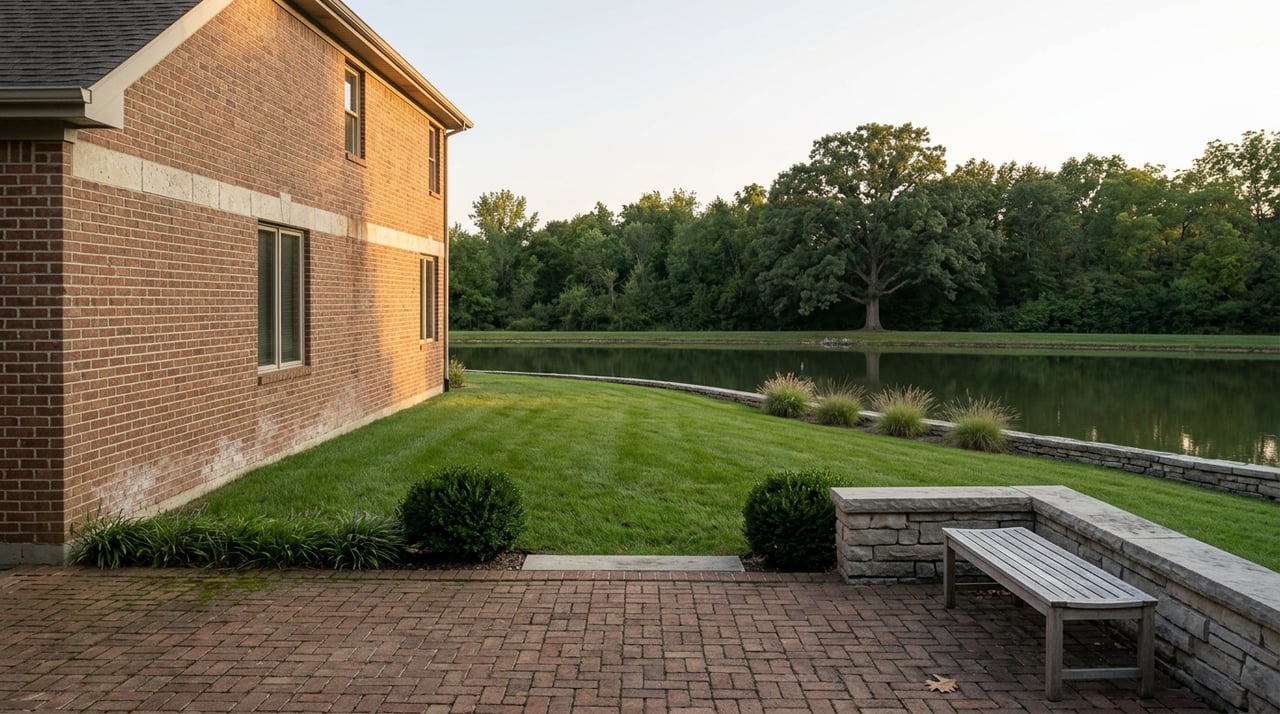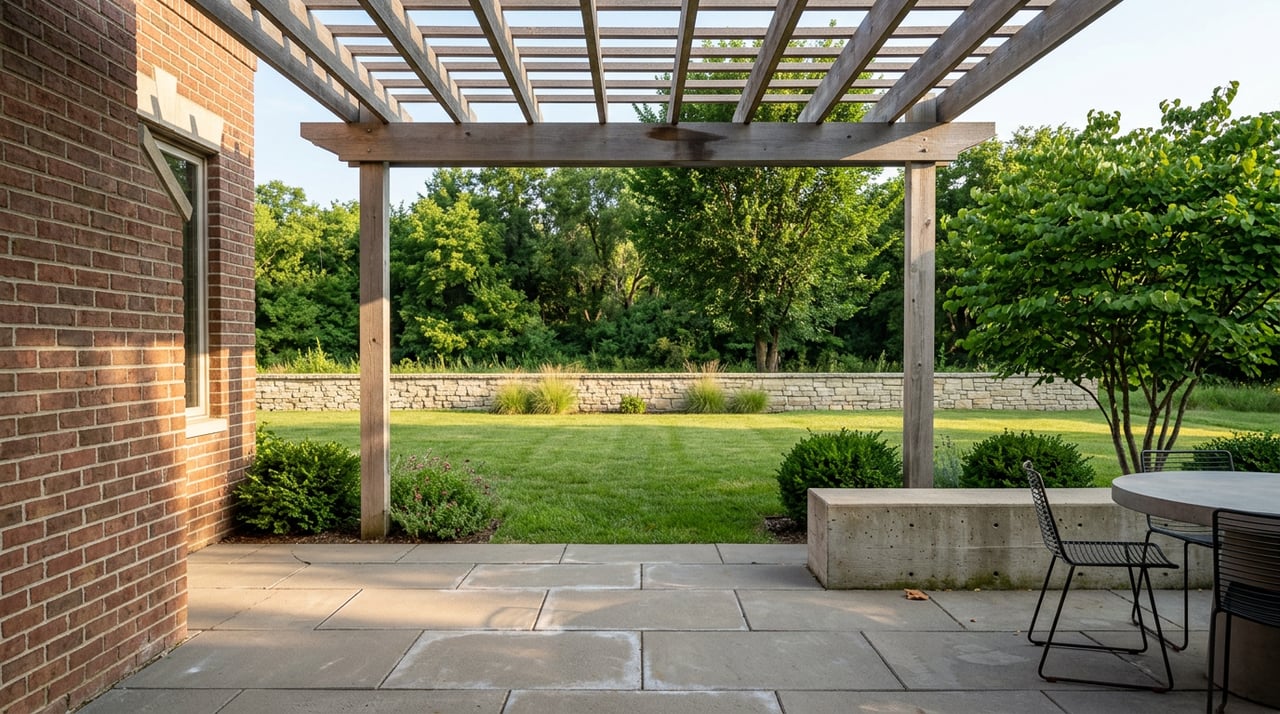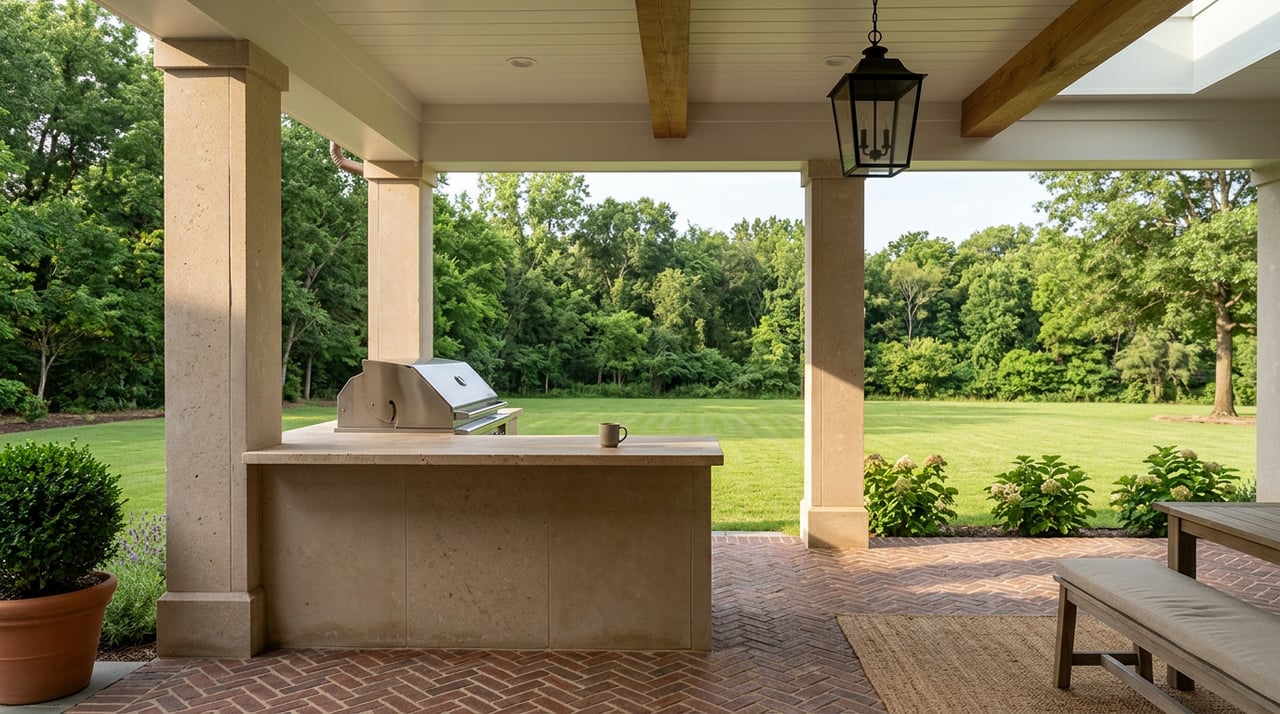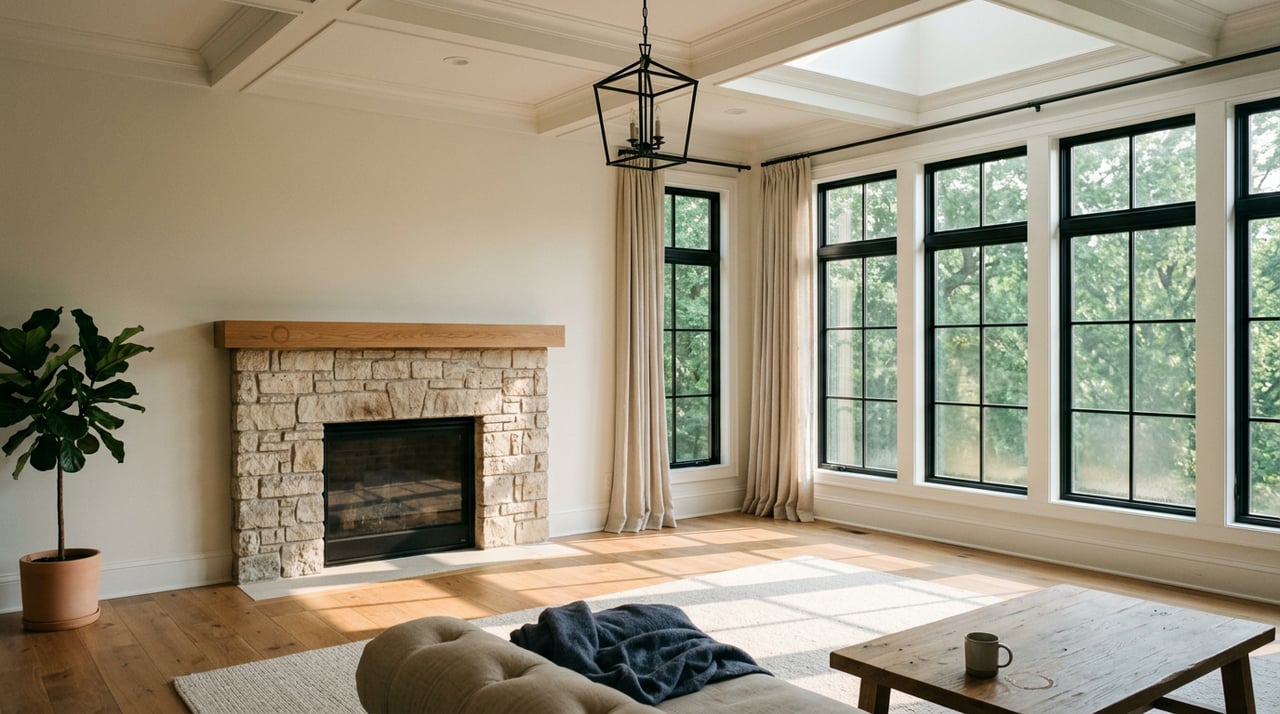
If you have spent a weekend comparing Celina master-planned communities, you already know the shape of Cambridge Crossing: English gardens, a clocktower, a stocked pond, a 6,700-square-foot amenity center, and a median list price hovering in the mid-$600s. That number is easy to find. It is also the least useful figure in the entire transaction.
The real cost of a home here is decided in three places the listing sheet never shows you: which builder is soft this month, which homesite you draw, and what you sign for at the design appointment. Miss those, and two buyers can close on the same floor plan and land forty or fifty thousand dollars apart. This is the mechanism worth understanding before you tour.
What the June listings actually tell you
As of early June 2026, Cambridge Crossing had 43 active listings, an average of 80 days on market, an average of about $230 per square foot, and a median list price of $651,900. On paper, that reads as a healthy, moderately active new-construction market with room to negotiate.
Read it the other way. Eighty days on market in a community still being built by four national builders is not stale inventory. It is the shape of a market where sellers, both builders and resale owners, are holding price and letting inventory sit rather than chasing the market down. That is a signal about leverage, not about desirability. It tells you where the negotiating room actually lives, and it is not on the sticker.
The four levers that move the real price
Cambridge Crossing has active homesites from Perry Homes, Highland Homes, Coventry Homes, and UnionMain Homes. Each is running its own inventory strategy on its own timeline. That produces four levers, each of which quietly moves the final number more than most buyers realize.
1. Builder incentive cycles
Highland Homes is currently advertising $20,000 toward closing costs as a limited-time summer promotion in Cambridge Crossing. Perry Homes lists its 50-foot homesites starting at $574,900. Coventry runs its Eco Smart program on a separate cadence.
The pattern that matters: these incentives reset monthly, sometimes more often, and they are not synchronized. In any given week, one of the four builders is carrying a spec that has been standing for sixty or ninety days, and that builder is the one willing to move. The buyer who tours all four on the same afternoon rarely sees this. The buyer who has an agent tracking spec-house age across builders often does.
2. Lot premiums
Base price is the entry ticket. The homesite premium is where families quietly add $15,000 to $75,000 or more, depending on view, size, and proximity to green space or water. A greenbelt lot with a pond view on a 74-foot Highland site is not the same product as an interior 50-foot Perry site, even if the floor plan number is identical.
The premium is negotiable in slower stretches and rigid in faster ones. Which of those you are in depends on the specific builder's inventory that week, which loops back to lever one.
3. The design center
Structural upgrades you cannot add later, a fourth bedroom, a media room, an extended patio, a wider garage bay, earn their money back at resale. Finish upgrades usually do not. Design-center credits from builders typically run $10,000 to $30,000 or more depending on builder and lot, and the buyers who spend those credits on structural changes come out ahead of the buyers who spend them on tile.
This is the single line item where local buyers most consistently overspend, because the design appointment is a two-hour emotional decision made against a spreadsheet.
4. Preferred lender credits
Several Cambridge Crossing builders offer roughly $20,000 in closing-cost help or a rate buydown if you use the builder's preferred lender. That looks like free money. Sometimes it is. Sometimes the APR, the origination fee, and the discount points on the preferred loan absorb the credit and then some. The only way to know is to run two full loan estimates side by side. If a builder will not honor the credit without the preferred lender, that is itself information about how the credit is priced.
The tax and HOA layer that gets underweighted
Cambridge Crossing sits inside Celina ISD, and the combined property tax rate published by builders in the community breaks down roughly as follows:
- Collin County: 0.149343%
- Celina ISD: 1.235800%
- City of Celina: 0.598168%
- Collin College: 0.081220%
- Estimated total: about 2.06%
On a $700,000 home that is about $14,500 a year before any homestead exemption, which is a real monthly line item and worth modeling before you commit to a lot premium that pushes you into a higher bracket of house.
HOA dues from builder disclosures currently land somewhere in the $1,668 to $1,968 per year range, depending on which builder page you read. Confirm the exact number in writing for the specific section and phase you are buying into, since dues have shifted between phases. Those dues fund the amenity center, the pond and trail system, the lifestyle director, and the resort-style pool. That is a meaningful amenity package for the money, but only if your family actually uses it.
What the money buys outside the gates
The community won a 2026 Best Amenity and Master-Planned Community of the Year recognition, and inside the gates the case is easy: eight miles of trails, a lap pool, pickleball and basketball, a fishing pond, a future on-site elementary school.
The outside-the-gates picture is what most tour scripts undersell. Cambridge Crossing sits just off the Dallas North Tollway with Tender Smokehouse and Toasted Walnut Table & Market a short drive south in historic downtown Celina, Rollertown Beerworks and Eden Hill Winery and Carmela Winery within the same corridor, Preston Trail Farms up the road, and The Shops at Carter Ranch and The Gates of Prosper covering everyday retail. Northern Collin County towns like Celina, Anna, Melissa, and Van Alstyne have been quietly gaining sales share while the broader DFW market has cooled, so the neighbors you would be comparing to on a resale are stronger than the region-wide narrative suggests.
The friction that shows up in the transaction
A few points that consistently catch first-time new-construction buyers here:
Schools. Cambridge Crossing is zoned to Celina ISD, specifically Celina Early Childhood, Lykins Elementary, Moore Middle, and Celina High. If you have seen a competing write-up citing Prosper ISD, that is out of date or simply wrong. Verify the current attendance zone with the district before you fall in love with a specific homesite.
Community size. You will see the community described as anywhere from 639 acres to 900-plus. The developer and the resident builders publish 639 acres. Use that number for planning.
Phase-to-phase variation. HOA dues, lot dimensions, and even builder rosters shift between phases. A number that is correct in Phase One is not automatically correct in Phase Two. Ask for phase-specific disclosures in writing.
Award-of-the-week marketing. The 2026 amenity award is real. The $20,000 closing-cost promotion is real. Neither is a reason to skip the loan-estimate comparison in lever four.
Timing. Quick move-in homes typically close about 30 days after completion; to-be-built homes typically deliver around 120 days from construction start. Rate-lock strategy should be built around whichever of those two you are pursuing, not around the day you sign the contract.
A short FAQ
Is Cambridge Crossing a good value compared to Frisco? On a dollar-per-square-foot basis, yes. On a total-cost basis, that depends on the lot premium and design-center choices you make and on whether the shorter drive to Legacy and The Star matters to your week.
Should I use the builder's preferred lender for the $20,000 credit? Only after running a competing loan estimate. The credit is real. Whether it beats a market-rate loan without the credit is a math question, not a marketing question.
Do lot premiums ever come down? In slower stretches, yes, especially on homesites that have been on the map for a while. In tighter stretches, the premium is the premium. Which stretch you are in changes month to month.
How much of the HOA money actually funds amenities I will use? Look at the amenity map and the lifestyle director's calendar before you close. If your family will use the pool, trails, and events, the dues are priced fairly for the package. If not, factor that into your total cost of ownership.
Your next step
If you are within six months of a decision on Cambridge Crossing, the highest-leverage hour you can spend is a side-by-side of the four builders' current spec inventory, incentive stack, and lot premium map, run against your actual financing options. That is the conversation we have with buyers every week, and it is the one that saves families real money before they ever sit down at a design appointment. When you are ready to run those numbers together, Moosa Realty Group is here. Your Move. Our Mission.